

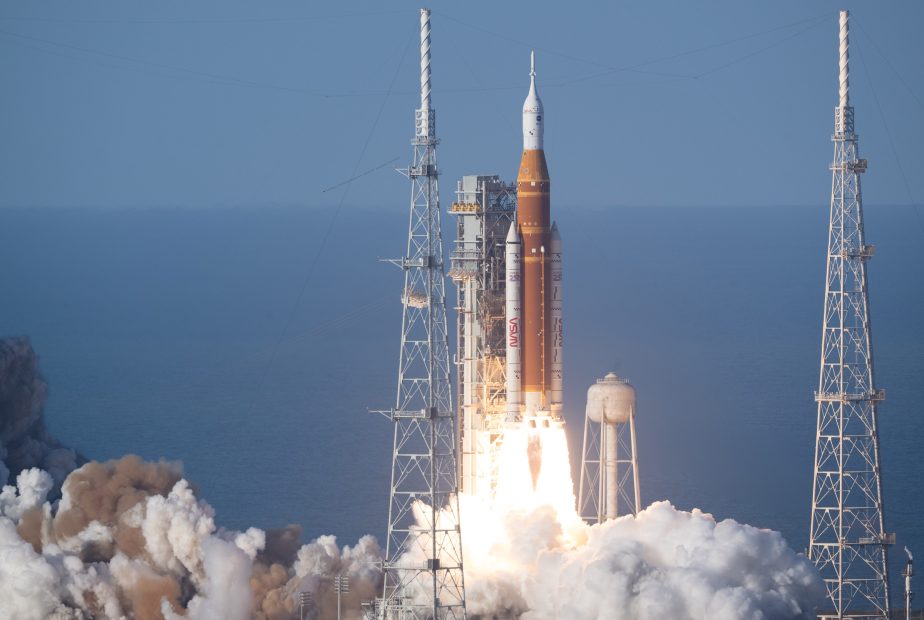
NASA has officially launched the Artemis II mission, marking a historic return to crewed lunar exploration and setting new milestones in human spaceflight. The mission represents the first time astronauts have traveled toward the Moon in more than 50 years and continues to advance the technologies that will support future lunar landings and deep-space missions.
Historic Launch Begins New Era of Lunar Exploration
On April 1, 2026, NASA’s Space Launch System (SLS) rocket lifted off from Launch Pad 39B at Kennedy Space Center, sending four astronauts aboard the Orion spacecraft on a planned mission around the Moon and back to Earth. The launch marked the first crewed lunar flyby mission since the Apollo era and a major step toward establishing sustained human presence beyond low Earth orbit.
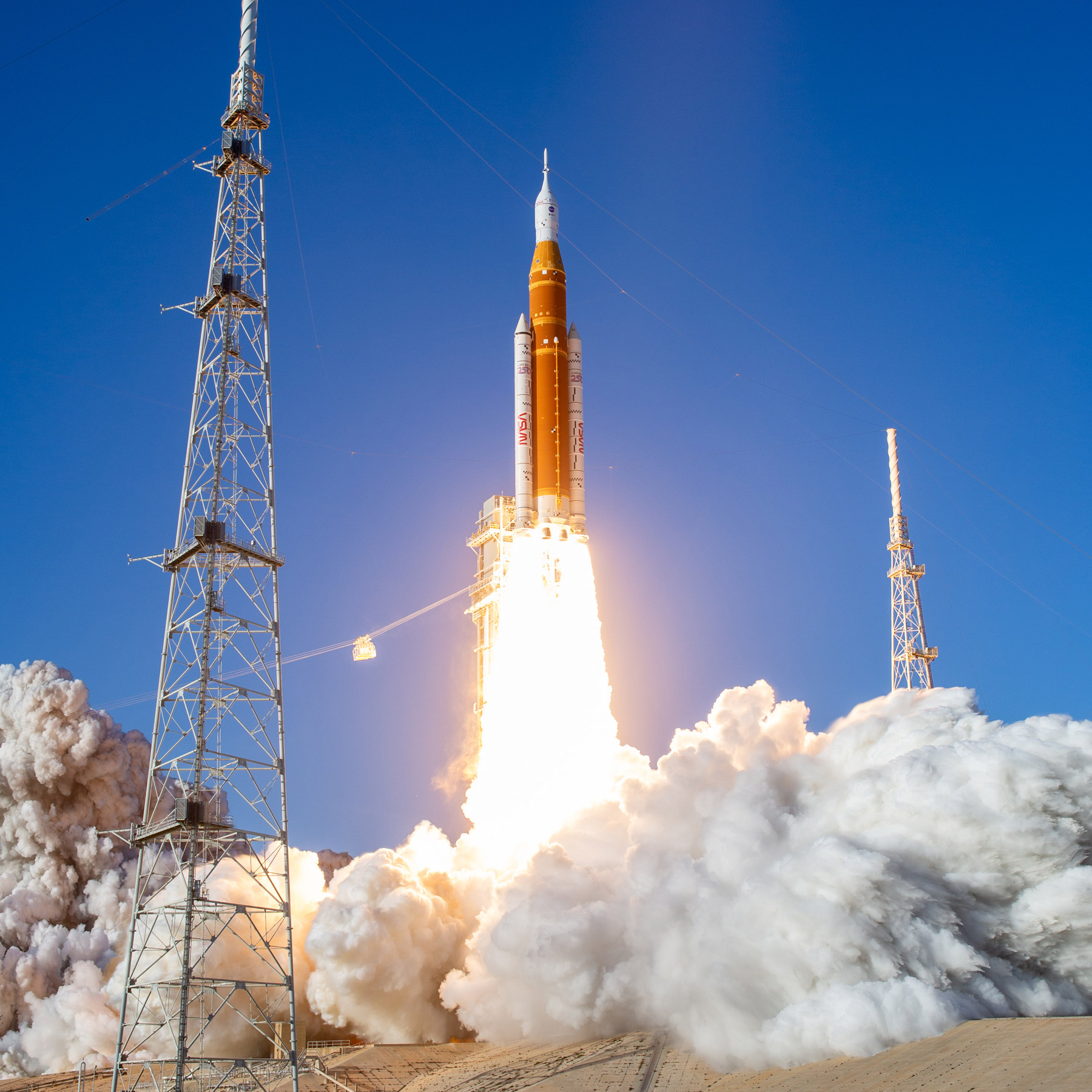
Image credit: NASA / Keegan Barber
The Artemis II crew includes: Reid Wiseman, Commander, Victor Glover, Pilot, Christina Koch, Mission Specialist, and Jeremy Hansen, Mission Specialist (Canadian Space Agency)
The mission, designed as a 10-day test flight to evaluate Orion’s life-support systems, navigation, communications, and operational performance in deep space, critical milestones before future missions attempt lunar surface landings.
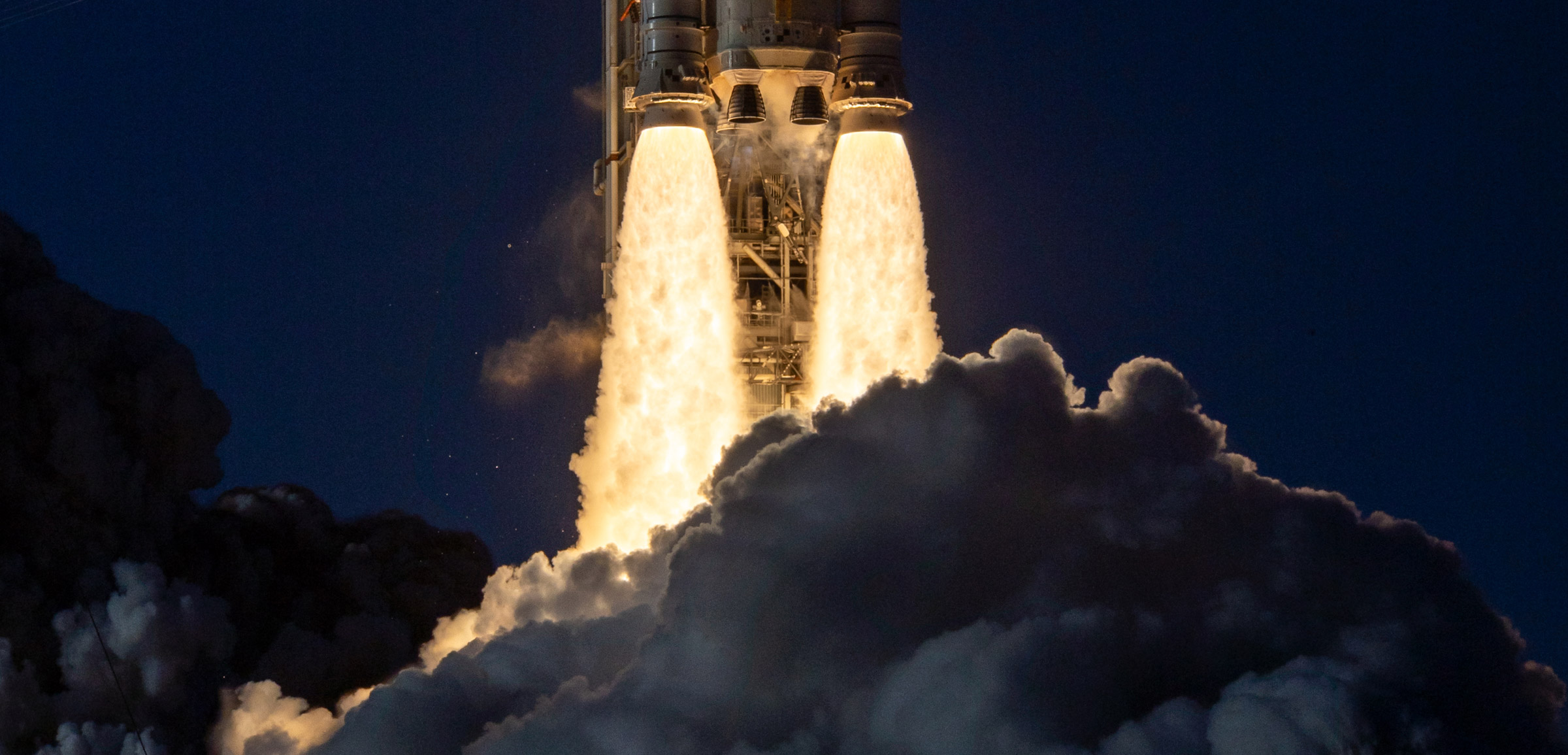
Image credit: NASA / Keegan Barber
Artemis II Sets New Record for Human Spaceflight Distance
Six days into the mission, Artemis II astronauts achieved another historic milestone by traveling 248,655 miles from Earth, surpassing the previous record set by the Apollo 13 mission in 1970. At its farthest point, the Orion spacecraft reached approximately 252,756 miles from Earth, setting a new record for the farthest distance humans have ever traveled in space.

Image credit: NASA
During this phase of the mission, astronauts conducted imaging operations and collected data from deep space while observing the Moon’s far side—regions that remain largely unexplored compared to the Earth-facing surface.
NASA officials emphasized that the achievement represents more than a distance milestone. It demonstrates the performance of critical spacecraft systems that will be essential for future lunar and Mars missions.
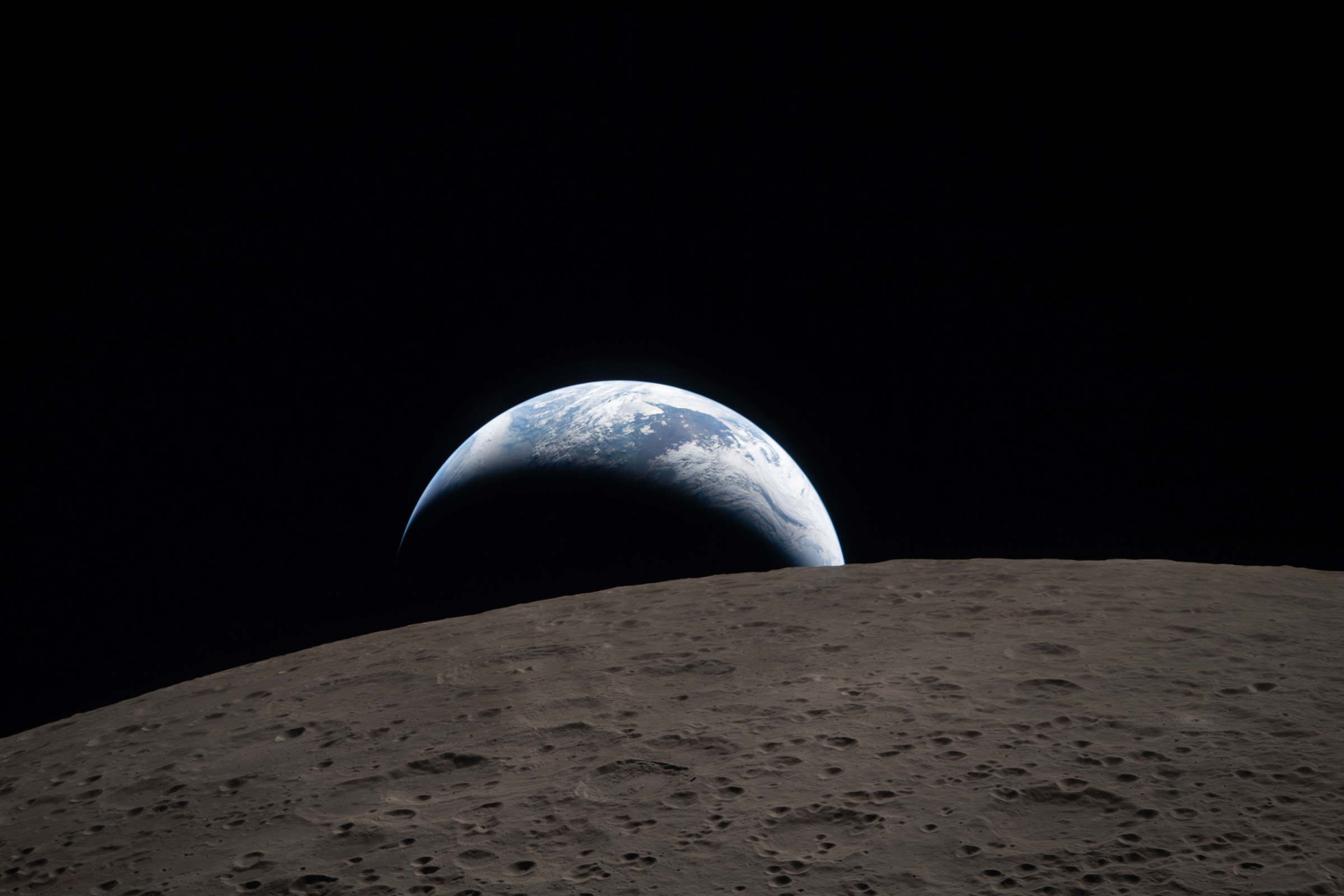
Image credit: NASA
Engineering Progress Driving the Artemis Program
The Artemis II mission is a foundational step in NASA’s long-term strategy to establish sustained exploration of the Moon and prepare for future crewed missions to Mars. By testing Orion’s systems in deep space with astronauts aboard, NASA is validating the technologies needed to support extended human presence beyond Earth orbit.
The mission also highlights the contributions of aerospace manufacturing and engineering partners who play a critical role in developing the complex systems required for modern spaceflight. Future missions under the Artemis program aim to land astronauts on the Moon and expand exploration of the lunar surface, particularly in regions near the Moon’s South Pole.
A Defining Moment for Modern Space Exploration
Artemis II represents one of the most significant achievements in human spaceflight since the Apollo era. From launch through record-setting deep-space travel, the mission underscores the importance of engineering innovation, precision manufacturing, and collaboration across the aerospace industry.
As Orion continues its journey around the Moon and prepares for return to Earth, Artemis II stands as a powerful reminder that the next generation of space exploration is well underway—pushing boundaries, advancing technology, and inspiring the future of discovery.