

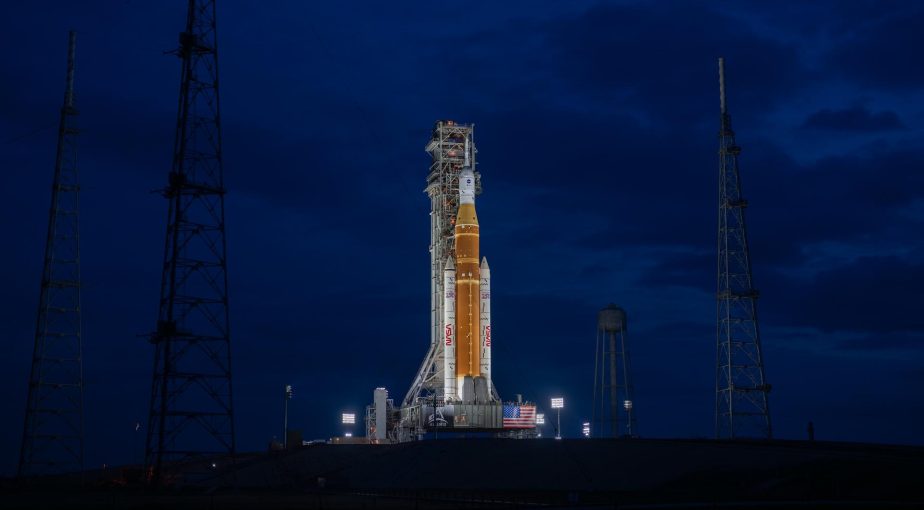
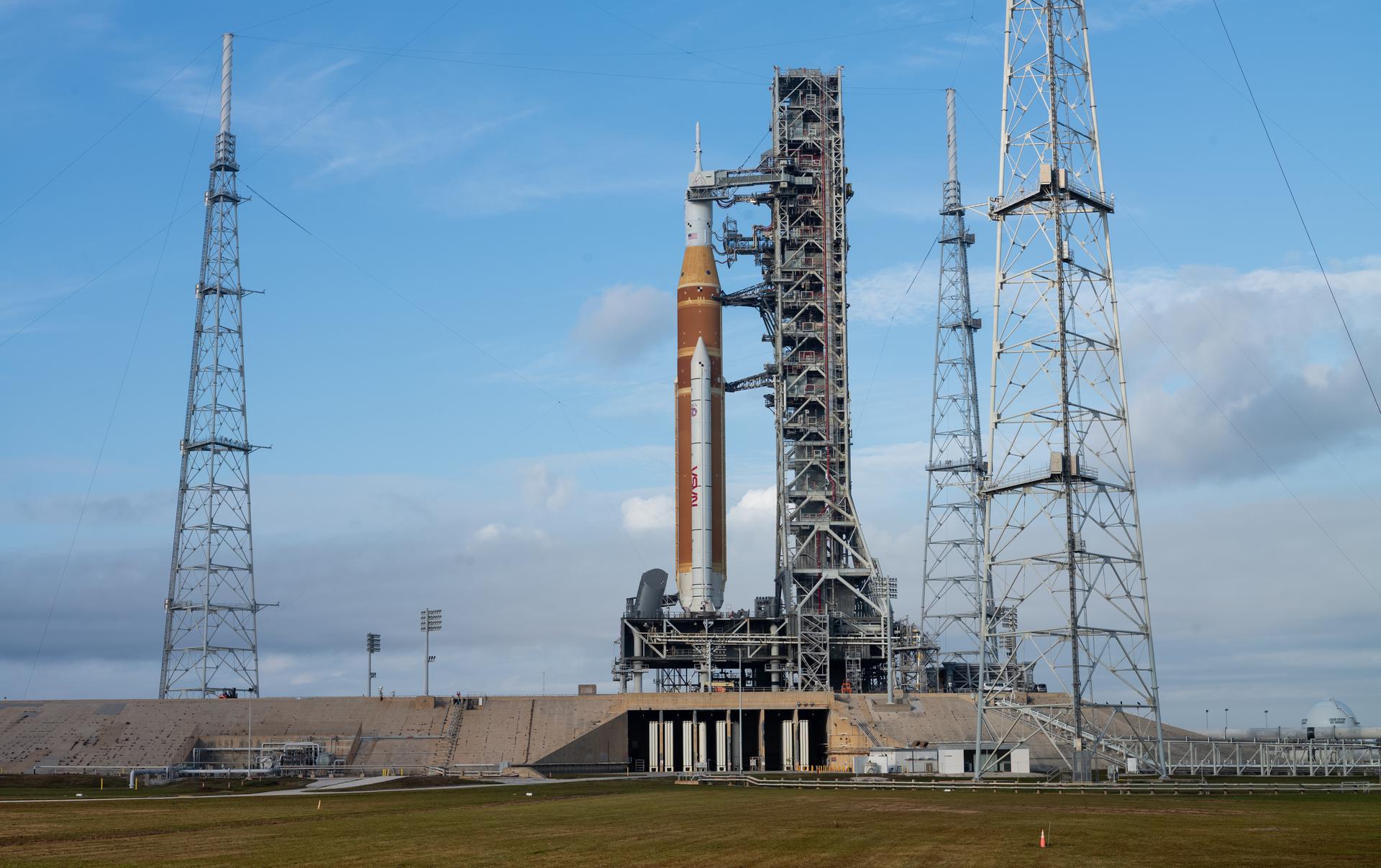
On January 17, 2026, NASA’s Artemis II Space Launch System (SLS) rocket and Orion spacecraft successfully completed their rollout to Launch Pad 39B at the Kennedy Space Center in Florida — a major milestone in preparation for humanity’s return to lunar orbit after more than 50 years.
A Milestone for NASA and the Aerospace Community
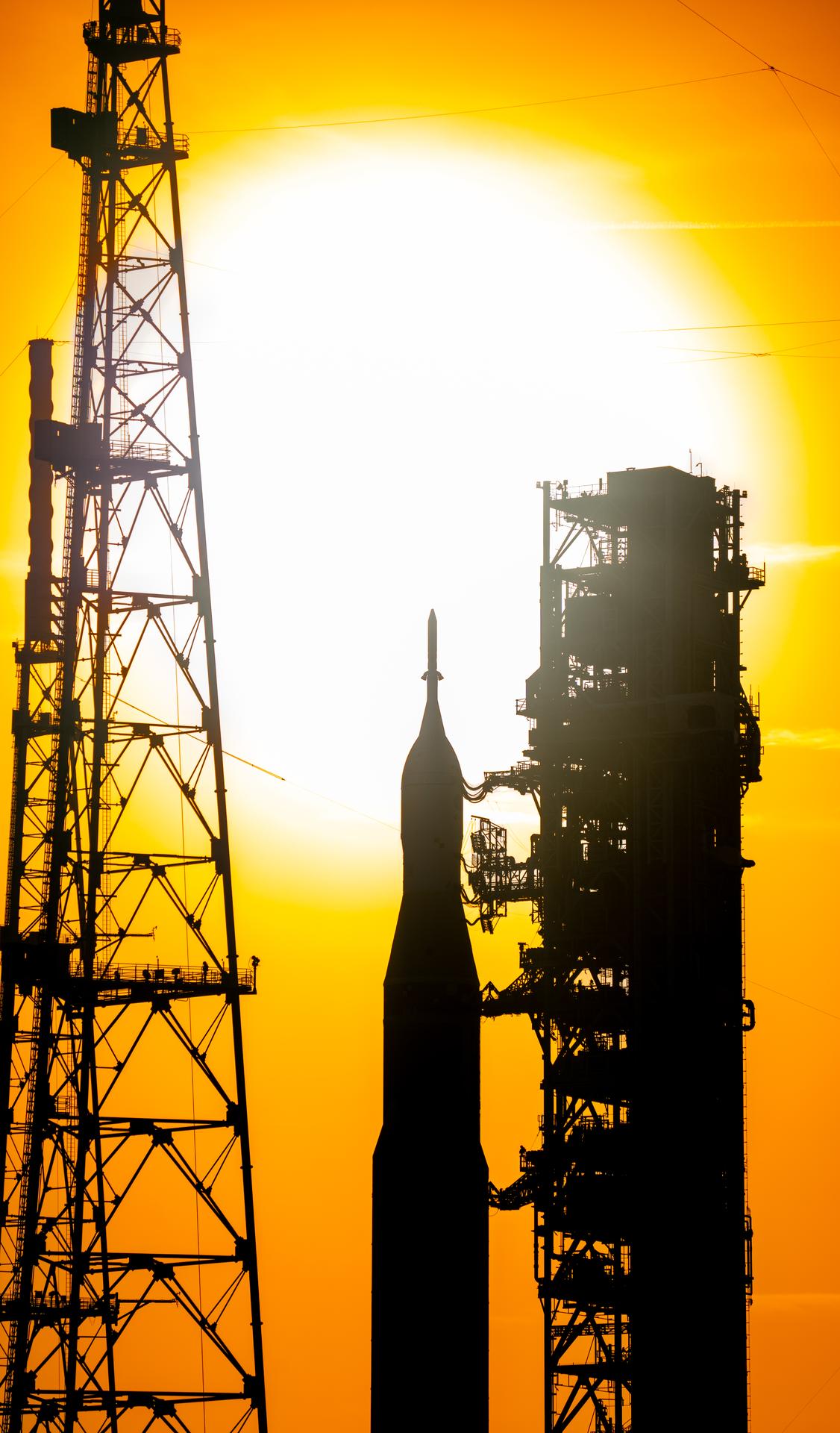
Image credit: NASA Brandon Hancock
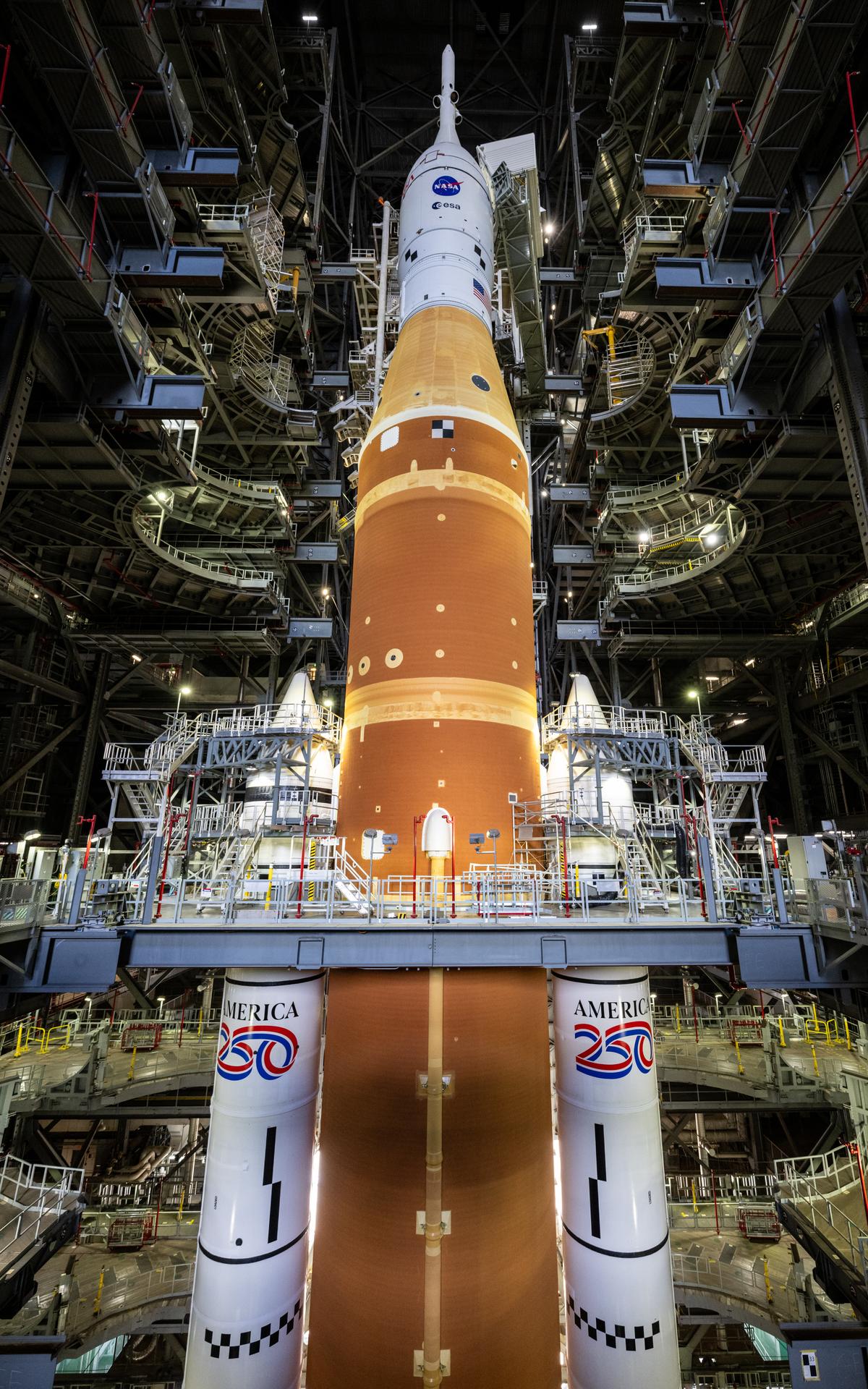
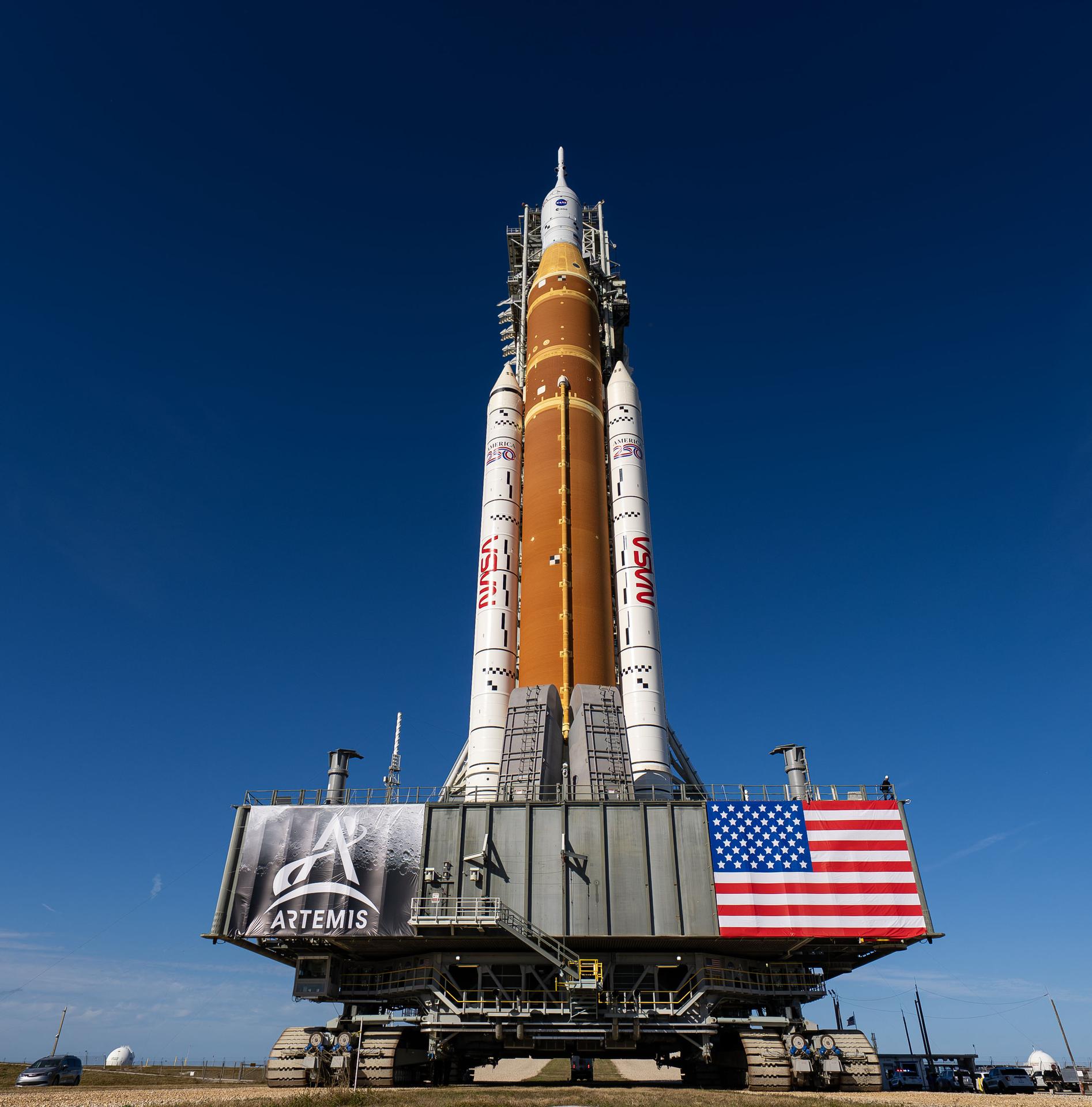
The nearly 12-hour journey marked the next significant step in the Artemis II campaign, carrying the fully stacked rocket and spacecraft nearly four miles from the iconic Vehicle Assembly Building (VAB) to the launch pad. Transported at a deliberate pace of less than a mile per hour, the rollout highlighted the scale and precision required to prepare one of the most complex aerospace systems ever assembled.
Once at the pad, teams began preparations for the “wet dress rehearsal,” a critical pre-launch test that simulates propellant loading and countdown operations with the rocket in fully configured launch mode. This rehearsal will inform the mission management team’s decision on the earliest possible launch date.
The Artemis II mission will carry four astronauts — NASA’s Reid Wiseman, Victor Glover and Christina Koch, and Canadian Space Agency astronaut Jeremy Hansen — on an approximately 10-day journey around the Moon and back, further validating systems and procedures needed for future lunar surface missions.

Image credit: NASA / Sam Lott
This achievement represents years of hard work by NASA, aerospace contractors, industry partners and suppliers across the nation. From vehicle assembly and testing to rollout and ground systems integration, the collaborative effort underscores the strength and depth of American aerospace innovation.
-

- Image credit: NASA / Keegan Barber
-
- Image credit: NASA / Kim Shiflett

-
- Image credit: NASA / Sam Lott
-
- Image credit: NASA / Joel Kowsky
Futuramic congratulates NASA, Boeing, Lockheed Martin, Northrop Grumman, ULA, L3Harris, Amentum, and the many partners and supply chain teams whose dedication and expertise helped bring Artemis II to this pivotal moment. As teams continue final preparations ahead of launch, this historic movement to the pad brings humanity one step closer to returning astronauts to the Moon and establishing a sustainable presence there.
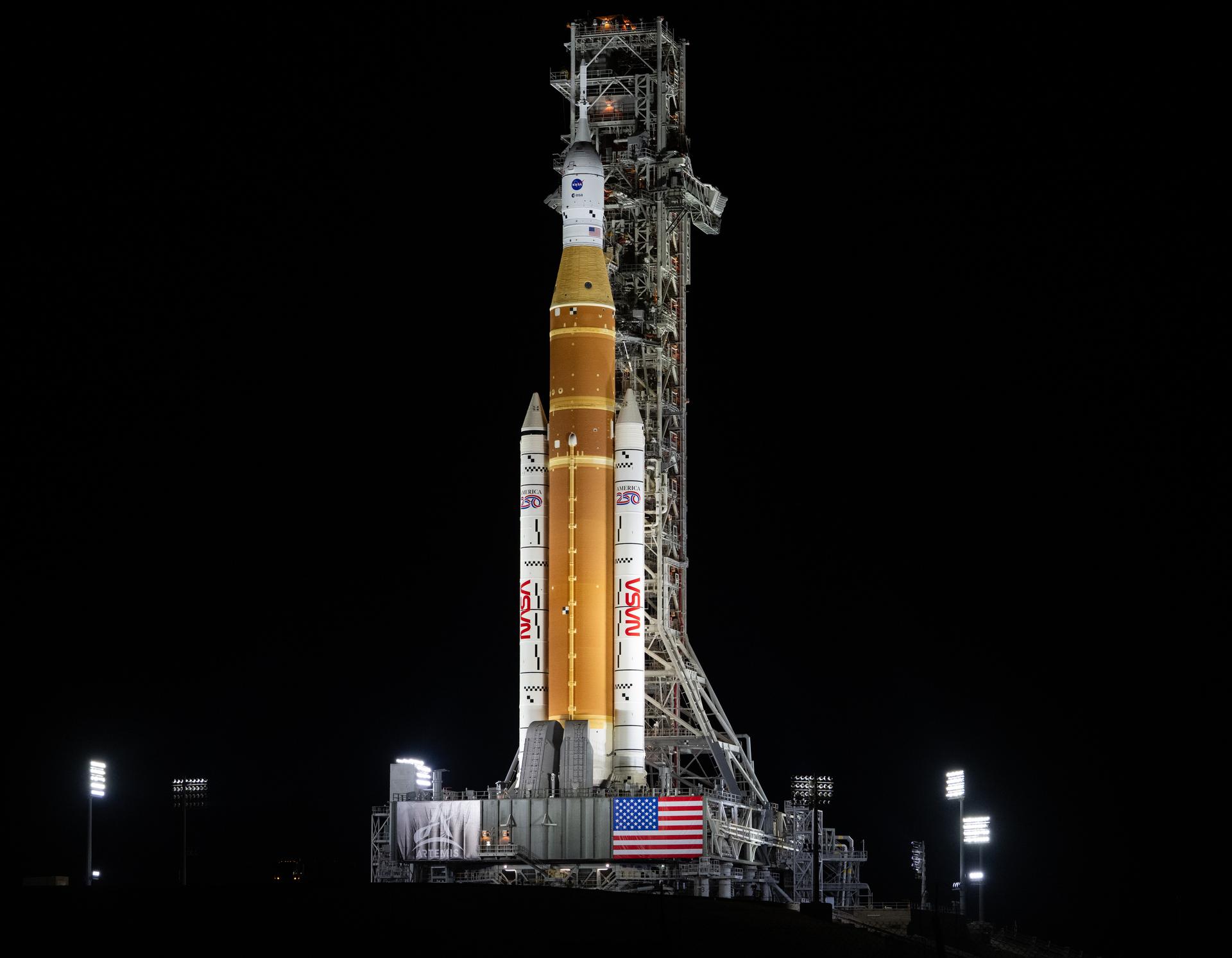
Image credit: NASA / Joel Kowsky